Recent Blogs
- Is Leg Pain Always Related to Vein Problems?
- How Safe Is It to Fly After Sclerotherapy?
- Deep Vein Thrombosis (DVT) vs Varicose Veins: What’s the Difference?
- How Radiofrequency Ablation Treats Large Varicose Veins
- Free Legs Vein Screening
- Varicose Vein Treatment After 60: Are You Too Old for Treatment?
- Top 7 Ways to Treat a Ruptured Varicose Vein Safely
- A Varicose Vein Could Indicate a Deadly Blood Clot?
- 7 Effective Home Remedies for Managing Varicose Veins
- What Are The Differences of Superficial and Deep Veins?
Published on: 30-Jan-2026
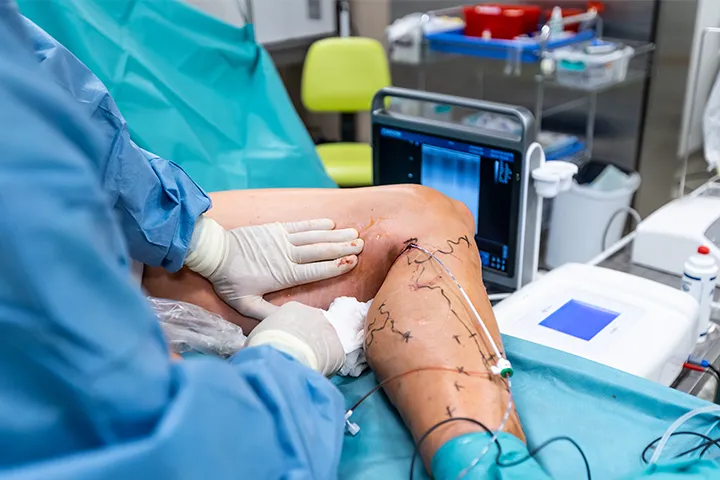
Many people live with visible veins or leg discomfort for years, assuming the condition will stay the same. A common question patients ask is do varicose veins get worse without treatment, or can they simply be ignored. The truth is that varicose veins are not a static condition. They tend to progress over time, especially when early symptoms are left unaddressed. Understanding how and why this happens can help people make informed decisions about their vein health.
Why Varicose Veins Do Not Improve on Their Own
Varicose veins develop when the valves inside leg veins weaken or fail. These valves are responsible for keeping blood flowing upward toward the heart. When they stop working properly, blood begins to flow backward and pool inside the veins. This increased pressure stretches the vein walls and causes them to become enlarged and twisted.
Once a vein valve is damaged, it does not repair itself. Because gravity continues to pull blood downward, the pressure inside affected veins increases over time. This is why varicose veins rarely improve without intervention
How Varicose Veins Change Over Time
Symptoms of varicose veins often become more noticeable as months or years pass. Here is how:
Early Changes People Often Ignore
In the early stages, symptoms can be subtle. Many people notice occasional leg heaviness, mild aching, or slight swelling after long days of standing or sitting. These signs are often dismissed as normal fatigue. At this stage, veins may not be very visible, which makes it easier to overlook the problem.
Worsening Varicose Veins Over Time
As vein function continues to decline, symptoms tend to appear more frequently. Veins may become darker, thicker, and more prominent. Discomfort that once appeared at the end of the day may start earlier and last longer. This pattern reflects varicose vein progression, where increased pressure leads to ongoing vein damage.
Common Symptoms That Signal Progression
As the condition advances, symptoms become harder to ignore. Common signs include:
Persistent leg swelling and pain
A heavy or tight feeling in the calves
Visible bulging veins that worsen with standing
Nighttime cramping or restlessness
Itching or skin irritation around the lower legs
These vein disease symptoms indicate that circulation is becoming less efficient and that the condition is moving beyond a cosmetic concern.
What Happens When Varicose Veins Are Left Untreated
Ignoring symptoms allows pressure to build inside the veins for extended periods. Over time, this can lead to more serious issues that affect both comfort and skin health.
Complications of Untreated Varicose Veins
One of the most concerning aspects of untreated varicose veins is the risk of complications. Skin around the ankles may darken or become thick and fragile. Poor circulation can slow healing, increasing the risk of open sores or ulcers. In some cases, veins may become inflamed or painful, and blood clots can develop in damaged veins.
These complications do not happen overnight. They develop gradually, which is why early symptoms should not be ignored.
Chronic Venous Insufficiency and Long-Term Risk
When varicose veins are left untreated for long periods, they can lead to chronic venous insufficiency. This condition occurs when leg veins can no longer circulate blood efficiently back to the heart. As a result, fluid and pressure build up in the lower legs.
People with chronic venous insufficiency often experience daily swelling, skin changes, and ongoing discomfort. Simple activities like standing, walking, or sitting for extended periods become difficult. At this stage, vein disease affects overall quality of life, not just appearance.
How Untreated Varicose Veins Affect Daily Life
The impact of worsening veins goes beyond physical symptoms. Daily routines often change as discomfort increases. Standing for work becomes tiring more quickly. Sitting for long periods may cause stiffness and swelling. Sleep can be disrupted by aching or cramping legs.
Many people also adjust clothing choices to hide visible veins or avoid footwear that worsens swelling. Over time, these adjustments affect confidence and activity levels. This is why addressing symptoms early is important for long-term comfort.
Why Early Attention Makes a Difference
Early evaluation allows vein issues to be identified before significant damage occurs. While lifestyle changes may help manage discomfort, they do not reverse valve damage. Paying attention to symptoms early can slow progression and reduce the risk of complications.
Understanding the warning signs empowers individuals to seek guidance before symptoms interfere with daily life. Early care focuses on prevention, comfort, and maintaining healthy circulation rather than reacting to advanced complications.
Conclusion
Varicose veins do not remain stable when left untreated. They tend to worsen gradually as pressure inside the veins increases and circulation becomes less efficient. From early discomfort to visible changes and long-term complications, progression is common without attention.
At Comprehensive Vein Care, patients receive expert evaluation and guidance tailored to their symptoms and stage of disease. Addressing concerns early helps protect long-term leg health and prevents unnecessary discomfort associated with untreated varicose veins.For personalized guidance and clarity about vein symptoms, schedule a consultation at Comprehensive Vein Care. Early evaluation helps determine the best path forward and supports healthier circulation.
FAQs
1. Do varicose veins always get worse without treatment?
In most cases, yes. Vein valve damage typically progresses over time without evaluation.
2. How fast do varicose veins progress?
Progression varies, but symptoms often worsen gradually over months or years.
3. Can lifestyle changes stop varicose veins from worsening?
Healthy habits may ease discomfort but do not repair damaged vein valves.
4. What are early signs that varicose veins are worsening?
Increasing pain, swelling, visible veins, and nighttime leg discomfort are common signs.
5. When should untreated varicose veins be evaluated?
If symptoms persist, worsen, or interfere with daily life, professional evaluation is recommended.